
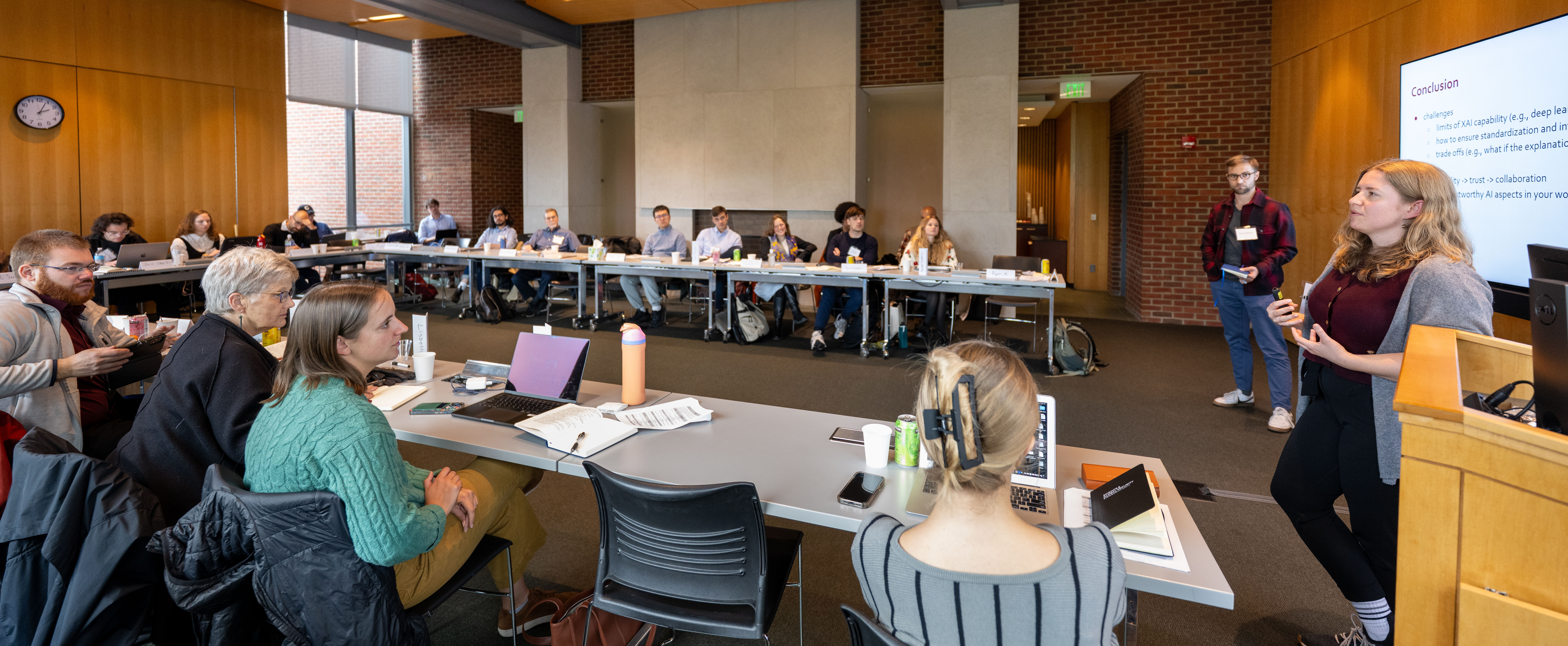
The Program on Science and Global Security (SGS) hosted the 2025 Princeton School on Science and Global Security from 9-14 October 2025. This was the fifth year that the School has been held. It traces its origin to the International School on Science and World Affairs first organized in 1989 by the forerunner of SGS together with the Moscow Institute of Physics and Technology.
Each year, the School brings together an international cohort of early-career scientists and engineers interested in learning about out technical research aimed at advancing global peace and security, including reducing and ending the threat from nuclear weapons, and the voice that scientists can have in world affairs.
Sixteen participants from eight countries participated in this year's School, each sharing a presentation on their research. There also were presentations and discussion with sixteen established scientists, policy researchers, and journalists in the field, some of them senior participants in earlier Schools.
The School opened with the 2025 Bruce Blair Memorial Lecture, "Nuclear Weapons in the Age of Artificial Intelligence: Five Principles for Minimizing Catastrophic Risks," delivered by Herbert Lin, senior research scholar at Stanford University. Lin met the School participants the following day for an extended discussion to explore the potential impact of applying technical knowledge on developing policies that shape national and global security.
The topics covered ranged across a broad set of subject matters. Themes included nuclear forensics, novel applications of data science and machine learning in anomaly detection, safeguards and monitoring of nuclear fuels, warhead verification, applications of quantum computing, as well as security concerns relating to space, artificial intelligence (AI), and robotics.
There was a specially invited presentation by Ambassador Alexander Kmentt (Director of the Disarmament, Arms Control and Nonproliferation at the Austrian Foreign Ministry) on international diplomacy at the United Nations to address the emerging challenges of lethal autonomous weapons. George-Willhelm Gallhofer, the Deputy Director for Disarmament, Arms Control and Non-Proliferation, presented on the status of the UN Treaty on the Prohibition of Nuclear Weapons.
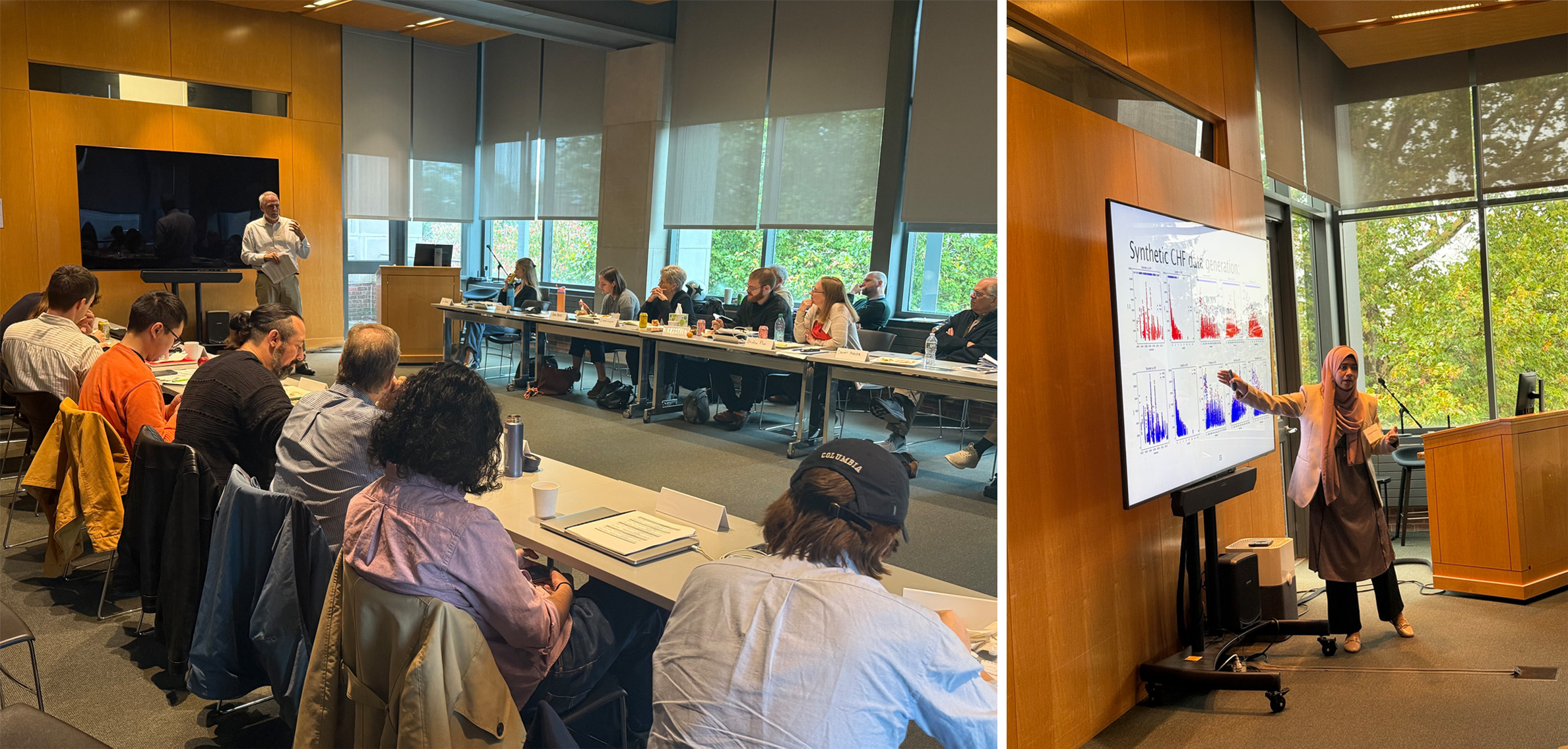
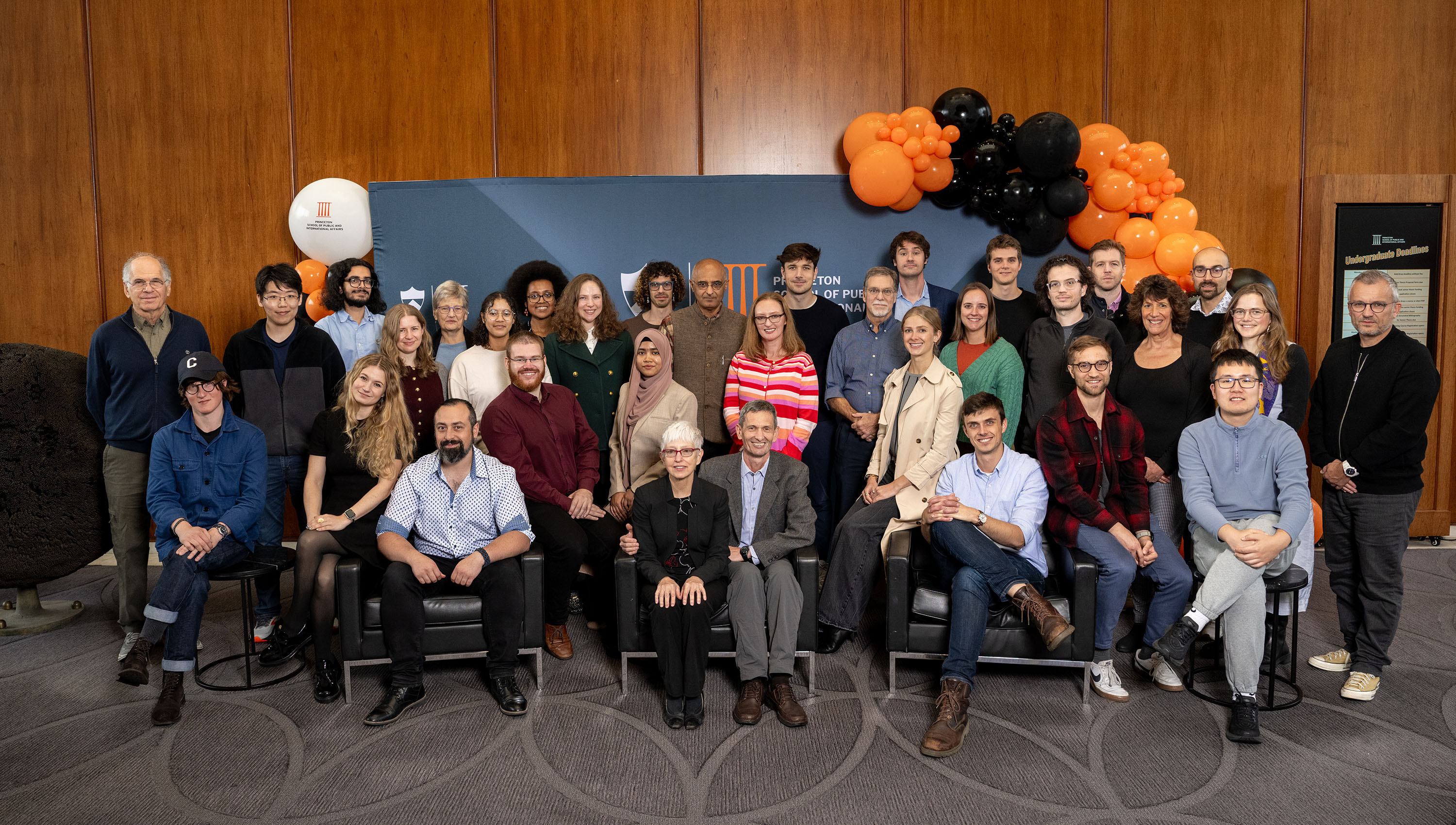
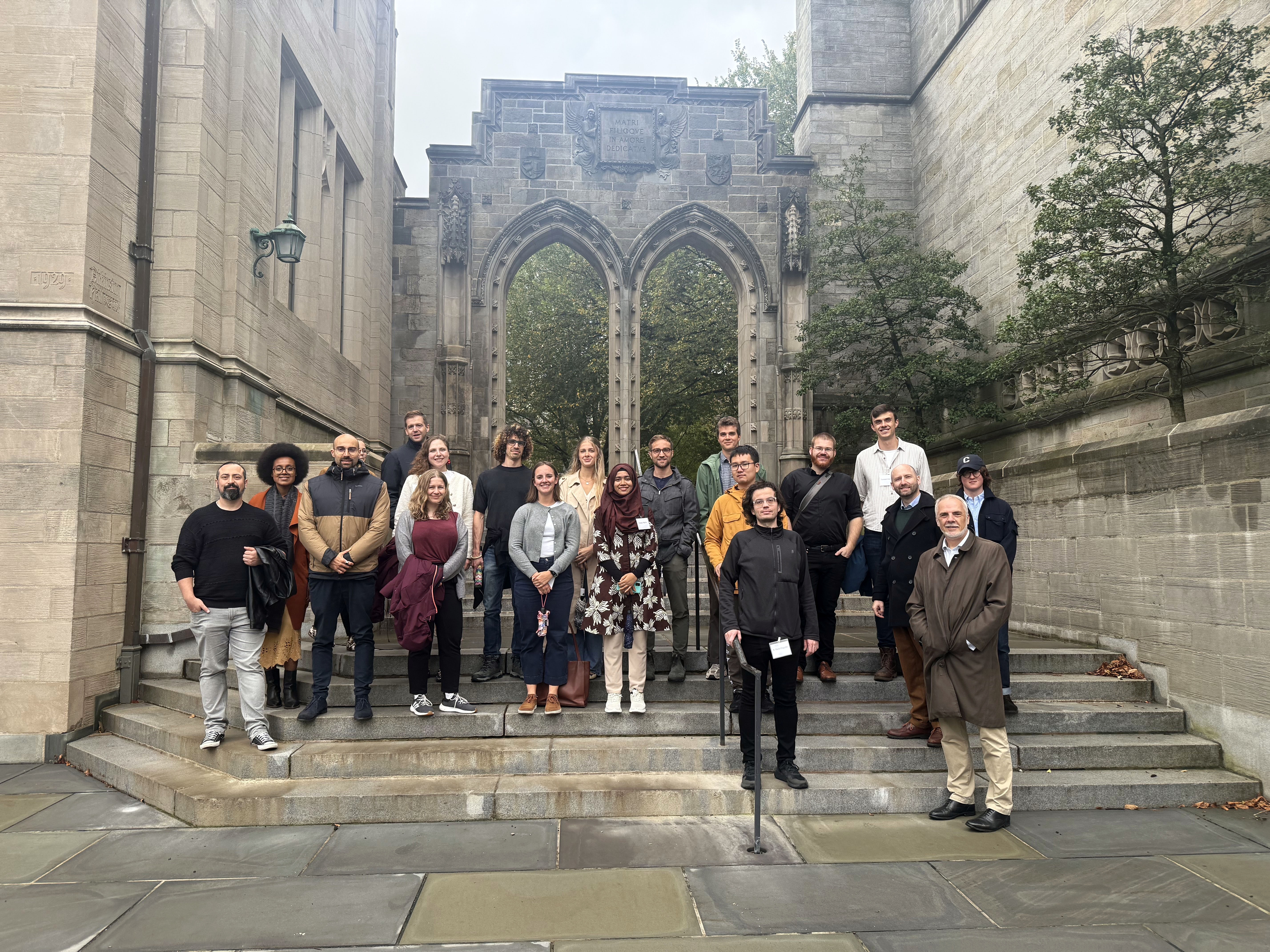
The 2025 School lead organizer and SGS postdoc Ryan Manzuk reflected, "Our goal was to create an environment where young scientists could start collaborations and dialogues they may not have imagined while beginning their research in their home disciplines. Organizing such an open-ended workshop is a bit of a challenge in trying to meaningfully bring together a group where the participants may have little overlap in background. However, that challenge ultimately is a rewarding because each year's School has unique outcomes and emphases that are a product of the individuals we are able to bring together in Princeton. Participants have as much say as the organizers in determining the direction of the conversations during the week."
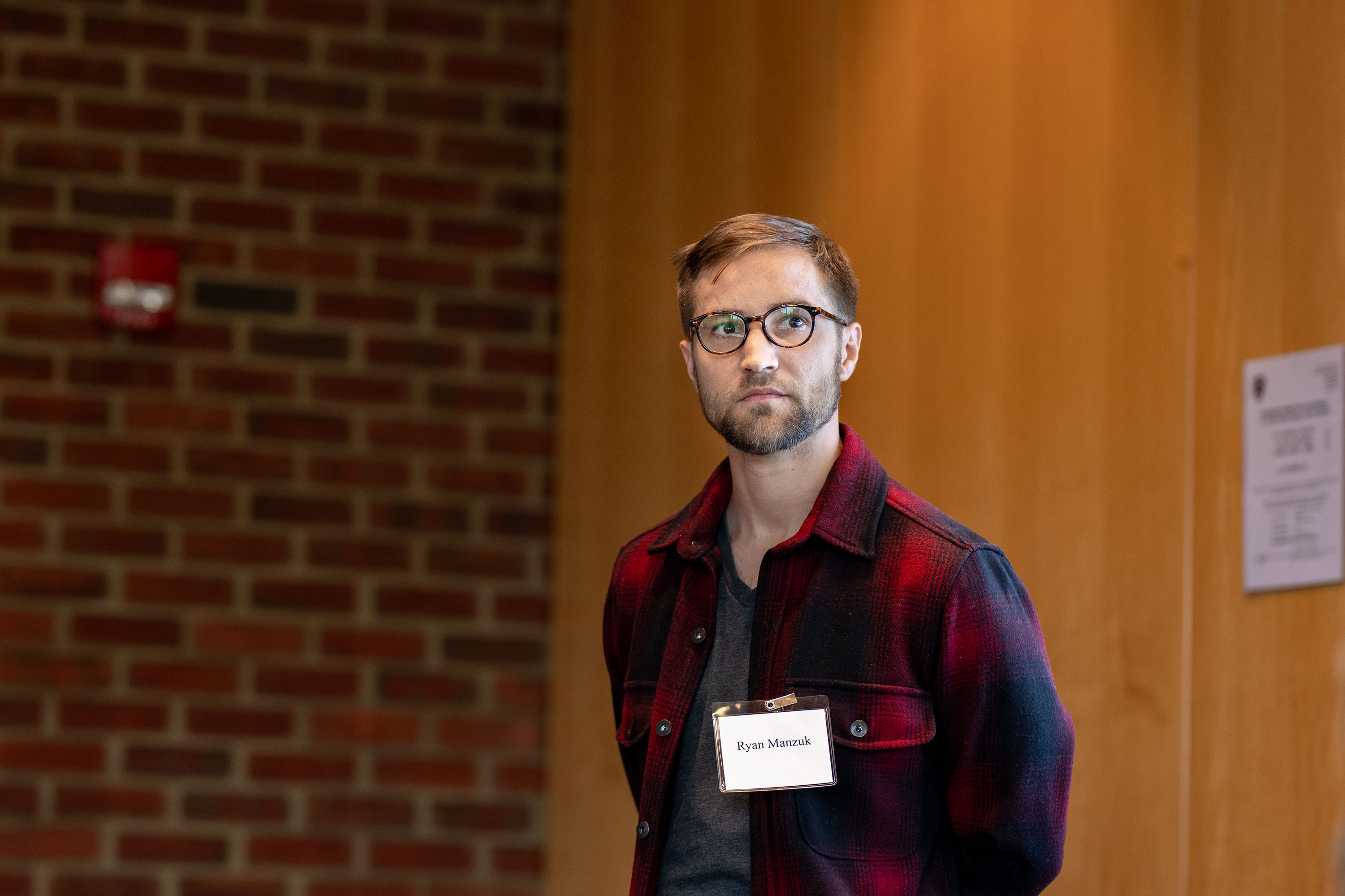
Robin Mentel, a postdoctoral researcher at TU Darmstadt said, "This school was transformative for me. Many notebook pages of mine were filled during the were days, discussing with so many brilliant people, with which I hope I can be in contact with in the future. Especially as someone who came into the field only recently, it was an incredible opportunity to get a special view into the field, and be able to talk to some big players. I just wish it would have lasted longer to have more time talking to people!"
For Elena Štefancová, who is conducting Ph.D. research focused on explainable and trustworthy AI at the Kempelen Institute of Intelligent Technologies, the School provided novel insight towards the societal relevance of scientific research. "I have dedicated my career to advancing AI for social good, and this program has significantly deepened my understanding of related issues within the field of global security."
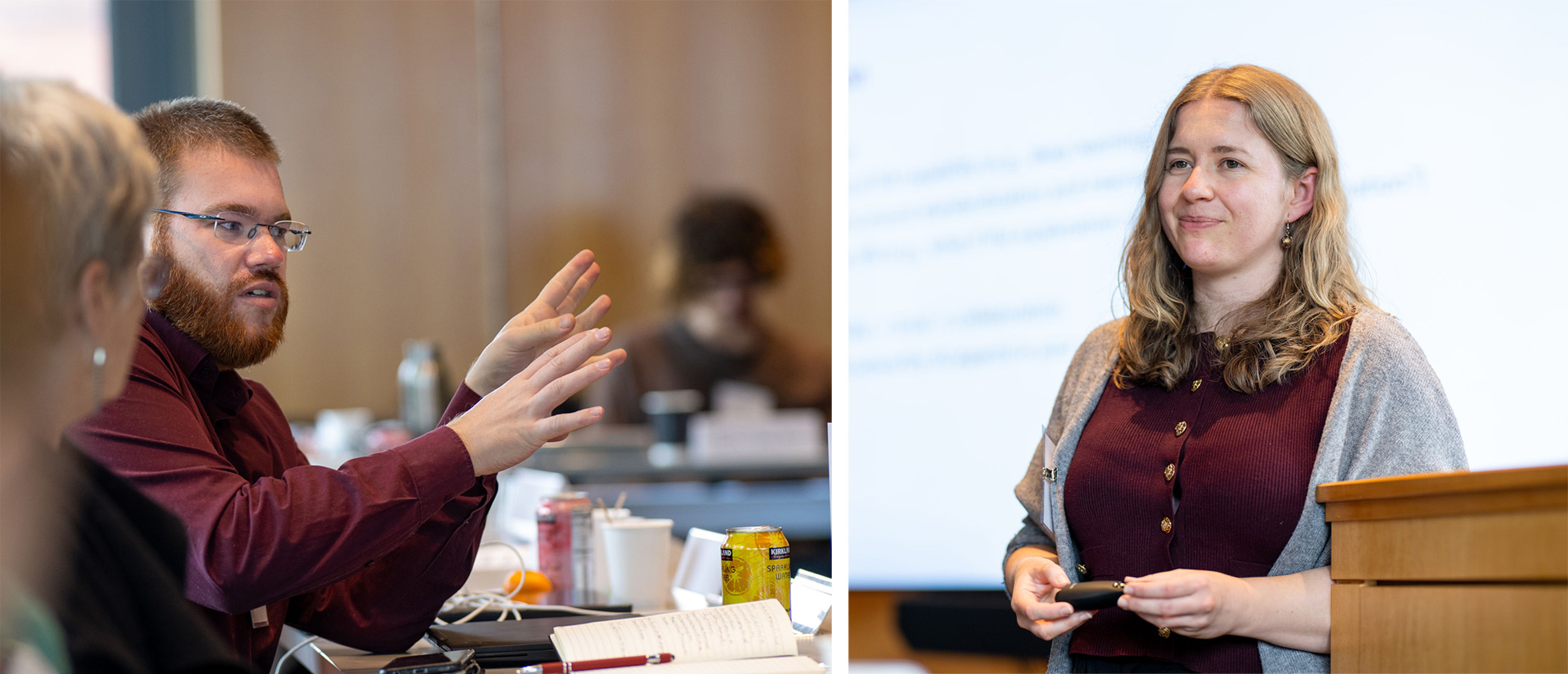
For Leonard Günzel, a Ph.D. candidate in underwater robotics at Norwegian University of Science and Technology, the school was simply, "One of the most inspiring events I have taken part in!"
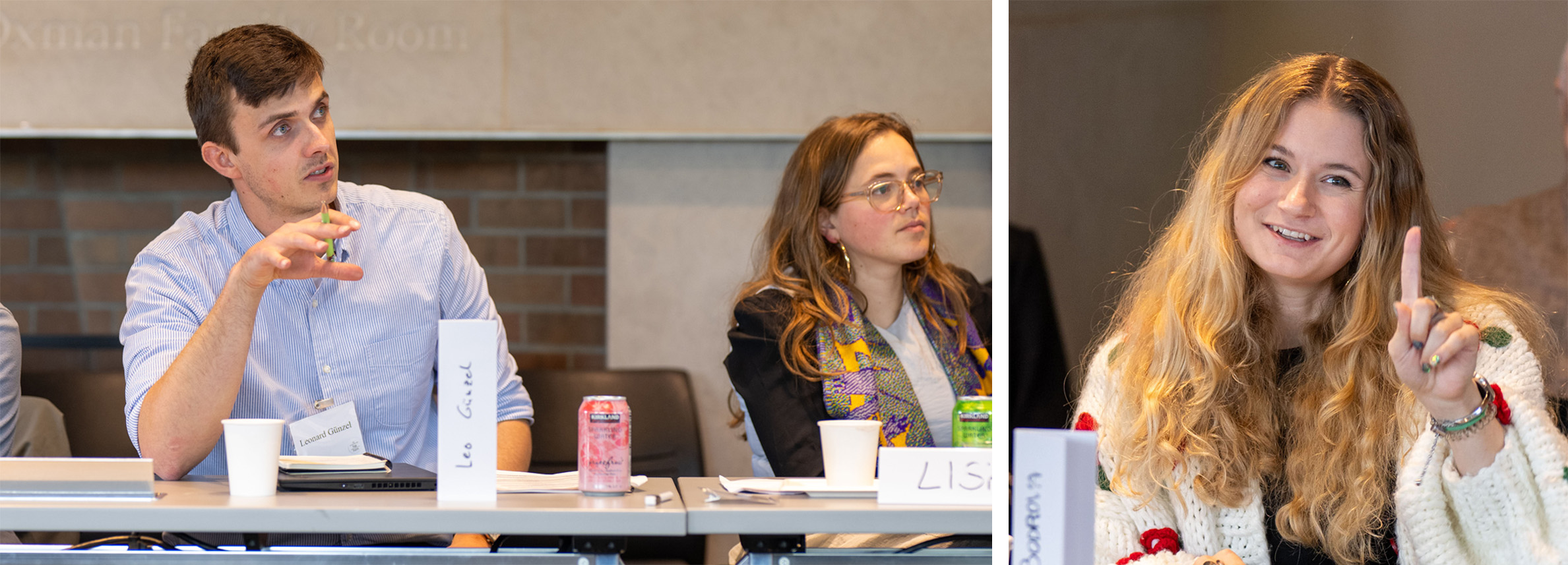
Yacopo Damizia, a Postdoctoral Research Associate at William and Mary, based at the MAST-U tokamak in the UK, returned to the School after attending in 2023. “I attended SGS to connect my fusion research on MAST-U with real policy questions around tritium stewardship and verification. I left with clearer frameworks for safeguards and risk communication, and a network that will help me translate technical results into public value.”
Elizabeth Decoteau, PhD candidate in chemistry at George Washington University stated, "The SGS program offered valuable exposure to a range of nuclear-relevant issues across multiple scientific disciplines—many of which I may not have encountered otherwise. It also reinforced the idea that, as nuclear scientists, we carry a responsibility to advocate for global safety and security, and that our expertise provides a unique and necessary perspective within the international policy landscape."