
The virtual seminar will be held from 12:30 to 2:00 p.m. (E.T.)
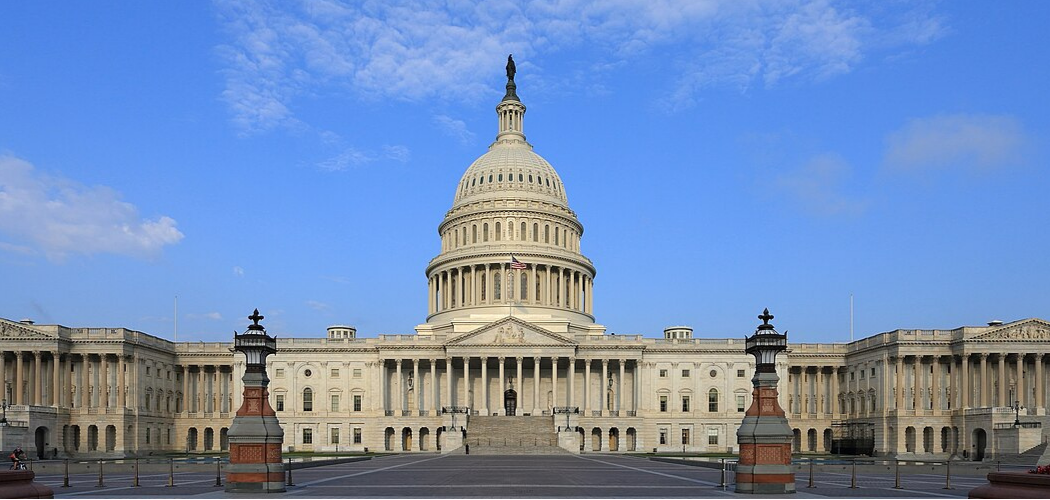
Discussion of nuclear weapons decision-making in the U.S. often ignores the role of Congress, assuming legislators will defer to the president. In a political climate of increasing polarization, party competition, and divided government, however, members of Congress may be less willing to defer to the president and may involve themselves in nuclear policy making. This presentation uses a new dataset of congressional involvement in nuclear weapons issues to explore how domestic political factors may affect U.S. arms control and nonproliferation efforts. It also will introduce results from a functional MRI experiment on volunteers playing the role of members of Congress to show the psychological and neural underpinnings of nuclear nonproliferation crisis decision making under different constraints. It also will discuss recommendations for policymakers.
About the speaker: Rupal Mehta is an Adjunct Professor in the Department of Political Science at the University of Nebraska-Lincoln. She served as a consultant for the Director’s Strategic Resilience Initiative at Los Alamos National Laboratory and for the Office of Cooperative Threat Reduction for the U.S. Department of State. This work is in collaboration with Geoffrey Lorenz and Ingrid Haas at the University of Nebraska-Lincoln.