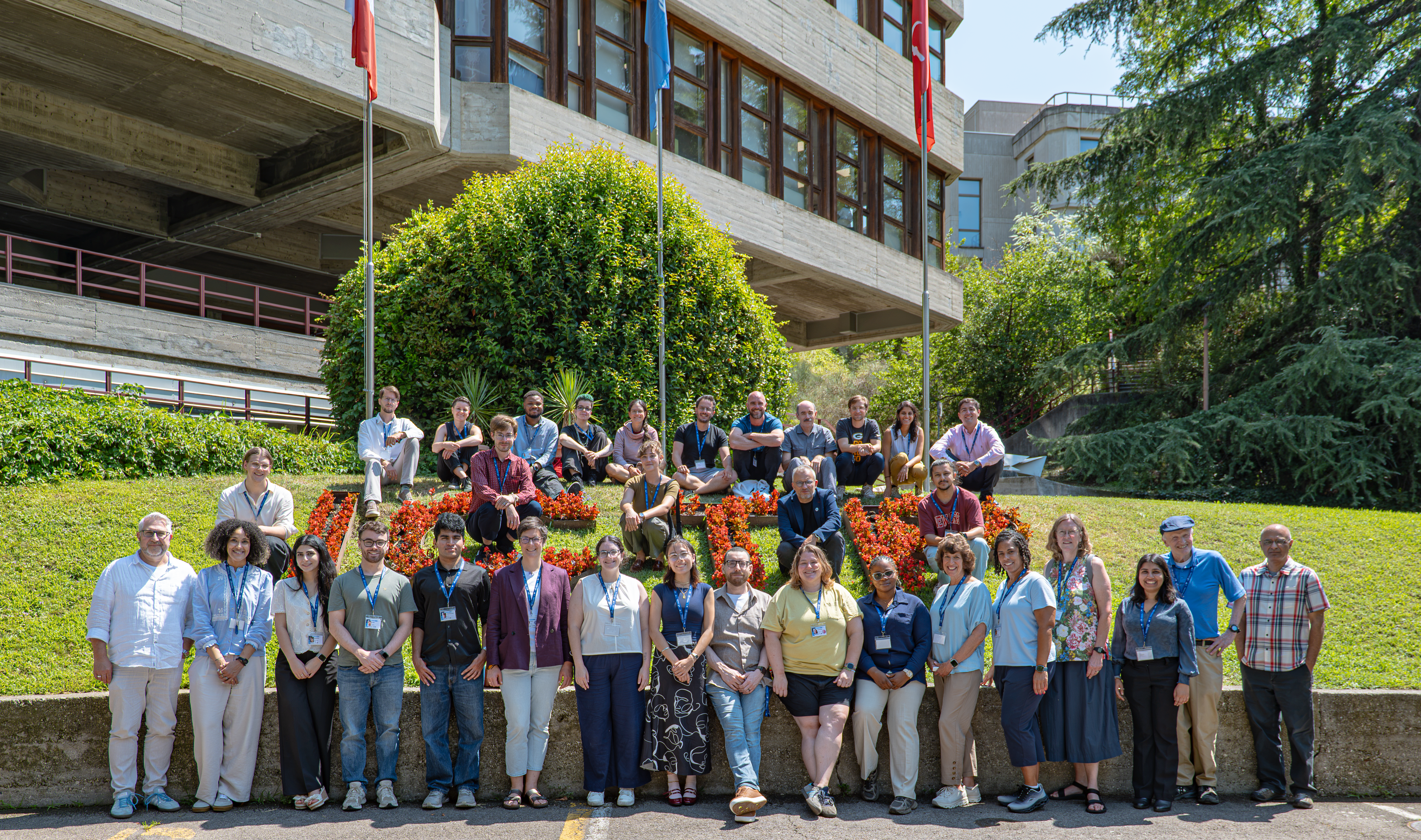
The Program on Science and Global Security (SGS) hosted the 2026 Princeton School on Science and Global Security from 26-31 July 2026, in partnership with the International Center for Theoretical Physics (ICTP), Trieste, Italy. This was the sixth year that the School has been held, and the first in partnership with ICTP.
Eighteen participants from ten countries participated in this year's School, each sharing a presentation on their research. There also were presentations and discussion with eleven established science and policy researchers in the field, some of them senior participants in earlier Schools.
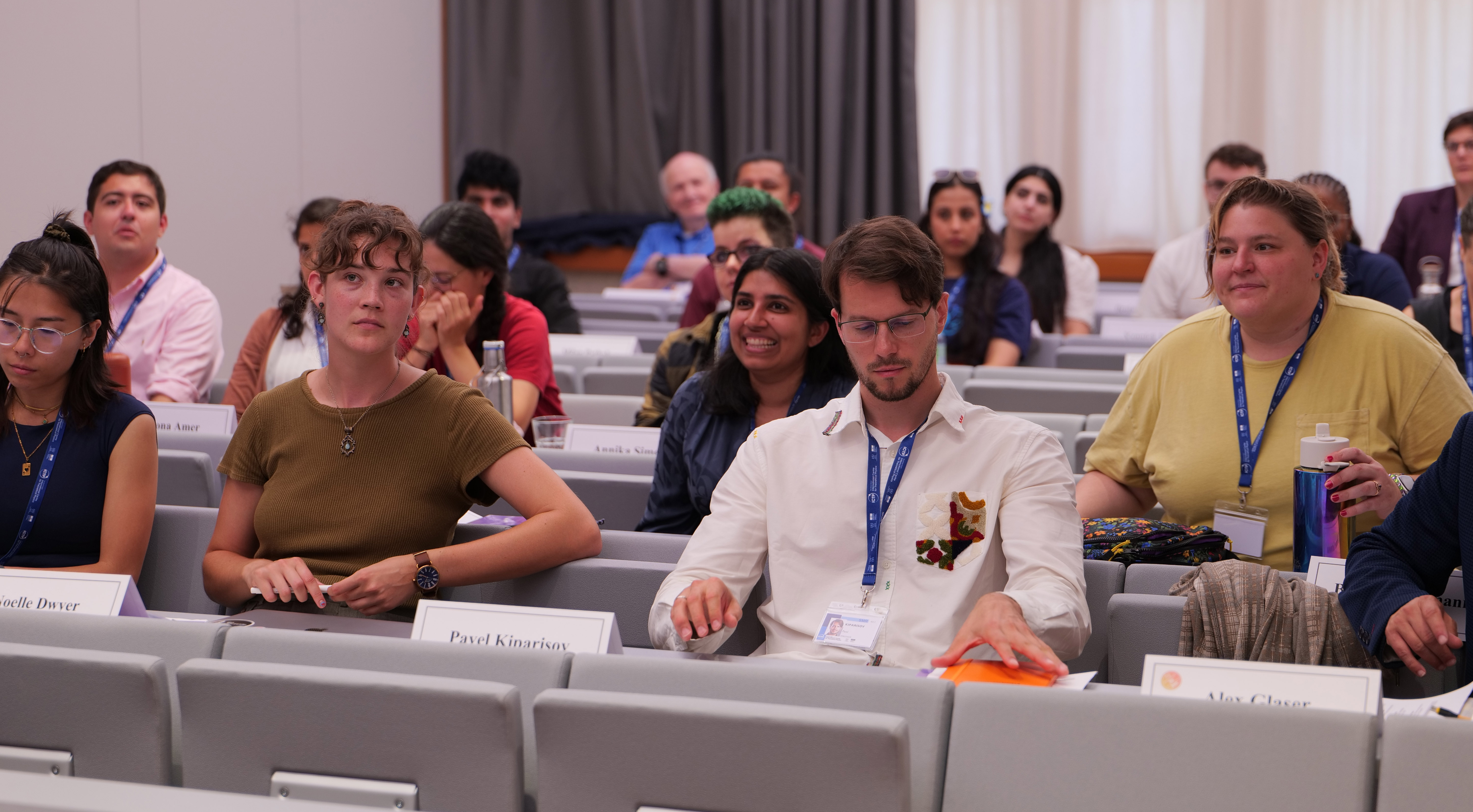
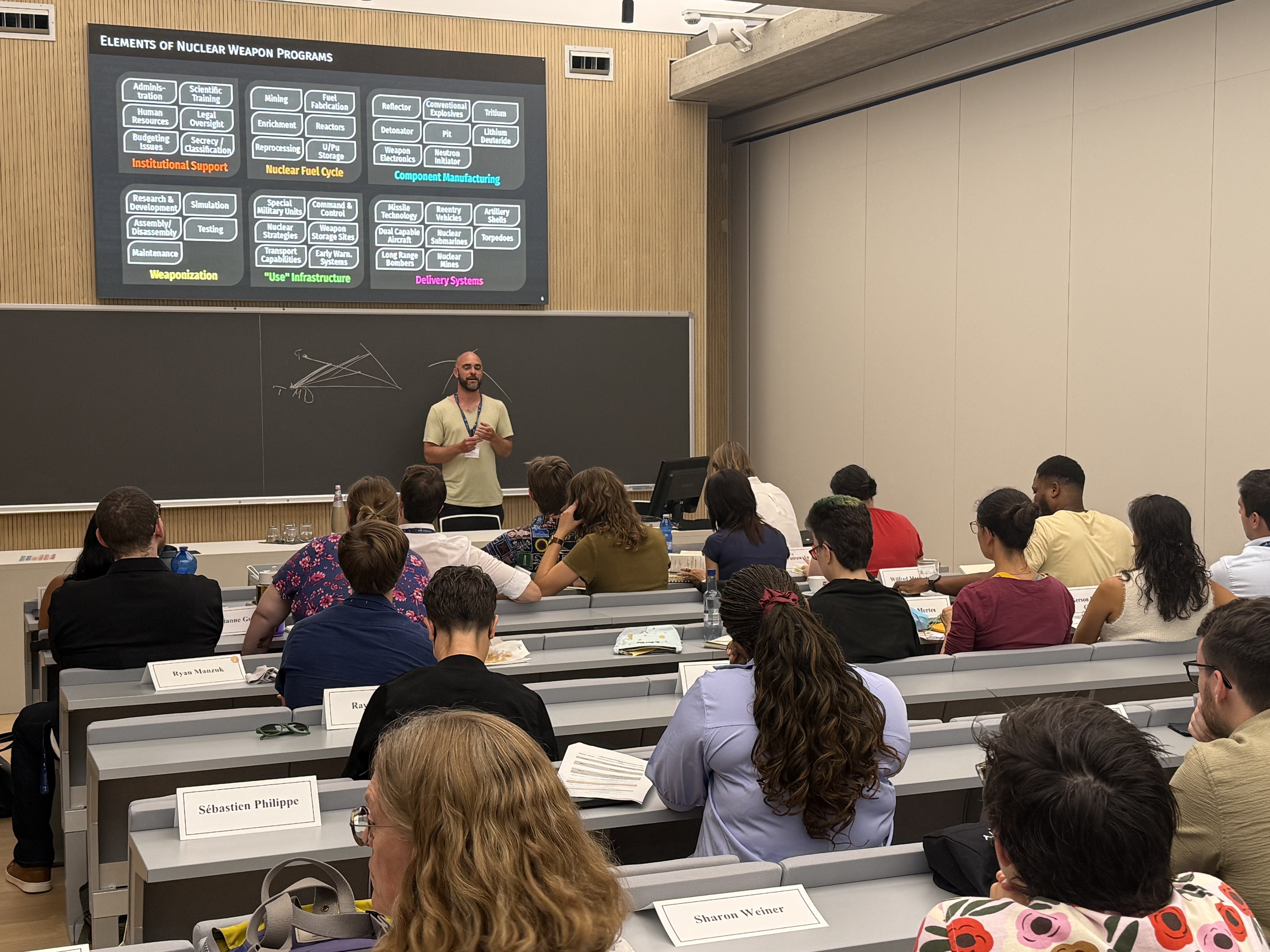
The topics covered ranged across a broad set of subject matters. Themes included modeling the consequences of nuclear war, governance and nonproliferation for both fission and fusion energy systems, security concerns relating to space and artificial intelligence, as well as effective education about nuclear weapons concerns in physics classrooms.
Each year, the School brings together an international cohort of early-career scientists and engineers interested in learning about technical research aimed at advancing global peace and security, including reducing and ending the threat from nuclear weapons, and the voice that scientists can have in world affairs. The School traces its origin to the International School on Science and World Affairs first organized in 1989 by the forerunner of SGS together with the Moscow Institute of Physics and Technology.
Commenting on her experience of the 2026 School, Eliot Jane Walton, a 2026 PhD in high-energy physics from Monash University, Australia, and the University of Warwick, UK, explained "As a participant, I found the School environment to be a unique mix of young scientists and researchers from a wide variety of disciplines and institutions which helped to prepare me for the mixture of methods and perspectives needed to work on nuclear issues. The skills and perspectives gained from the School will be with me for a long time." Walton started as an SGS postdoctoral researcher in Fall 2026.
Egor Zverev, a PhD student at the Institute of Science and Technology Austria (ISTA), working on AI model security, said “The summer school was an incredible opportunity to meet and create friendships with people who deeply care about governance of technology. A lot of the talks were o topics I was not familiar with, and served as an excellent introduction to a variety of existing issues.”
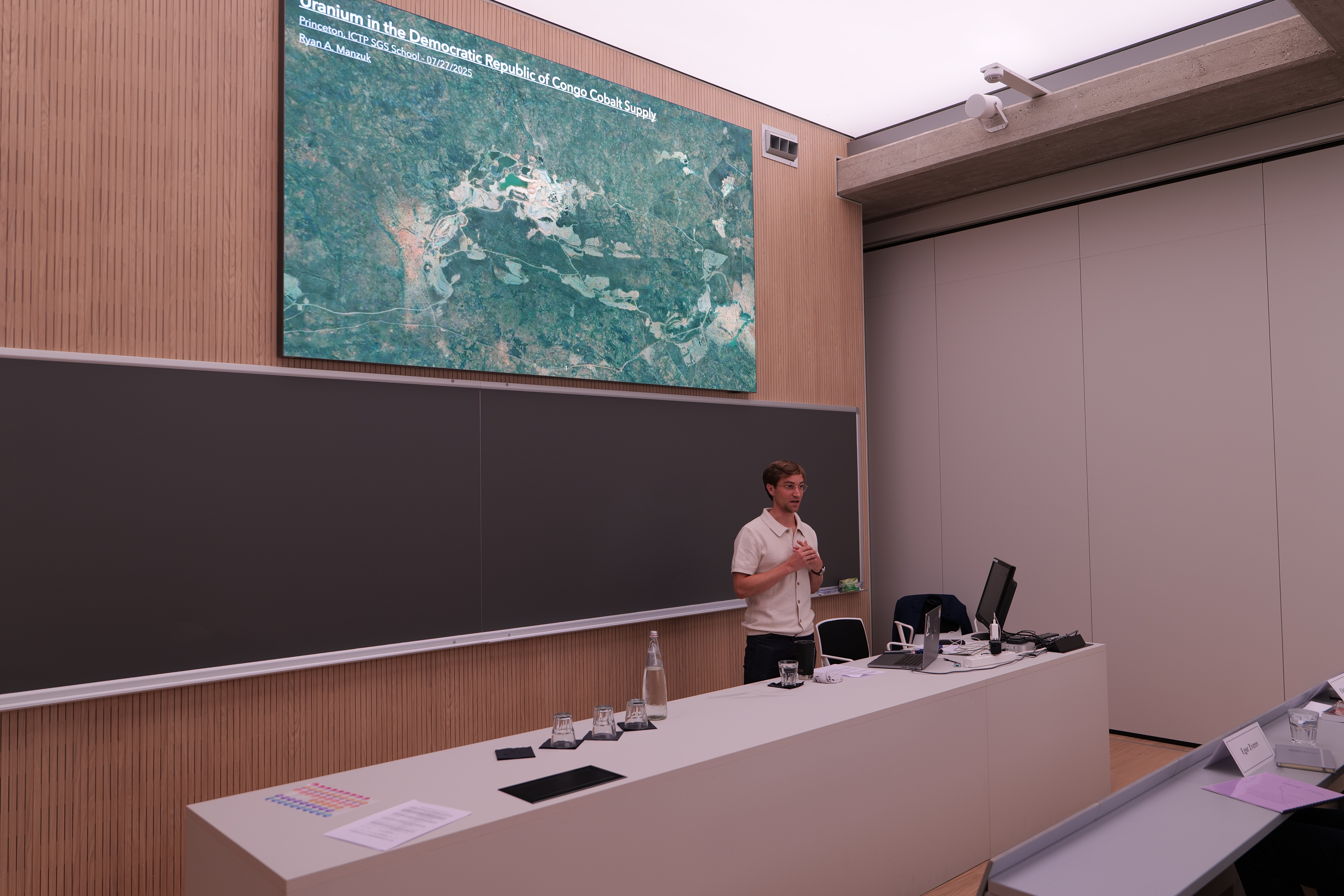
Denia Djokić, an Assistant Research Scientist in the University of Michigan Department of Nuclear Engineering and Radiological Sciences and former post-doc at Harvard’s Managing the Atom program, observed “It's so important to get STEM students aware and talking about how our technical work and global peace are intertwined, which is not something that is usually attended to in our respective curricula. Attending the SGS school allowed us to have important conversations that broadened our knowledge and perspectives. Also, the building and sustaining of this internationally connected community is key to enabling collective, mutually supported work on these complex issues in the long term!”
Timur Kadyshev, a Senior Researcher at the Institute for Peace Research and Security Policy, joined this years's school as a returning presenter and reflected on how this year's School fits within over three decades of Summer Symposia and Schools. "I first took part in this series in Moscow in 1991, as a physics graduate student new to the field, when it was jointly organized by the Moscow institute of Physics and Technology and Princeton University. I attended a number of its schools/symposiums over the following decades. At the 2026 School, in Trieste I was glad to find that the core of the format has held up: newcomers and established researchers each give a talk and are questioned on equal terms and since these exchange ran in both directions we all learned form each other. The younger participants were among the most active in discussions, asking questions and offering their own views. The rule against phones and laptops during sessions, which I encountered here for the first time, clearly helped keep everyone’s attention on the talks and the discussion. The program has also grown well beyond the largely nuclear agenda of the early years to include artificial intelligence, autonomous weapons, and space security. Holding the school at ICTP was a good decision, since a venue outside the US kept it open to participants for whom obtaining a US visa has become much harder."
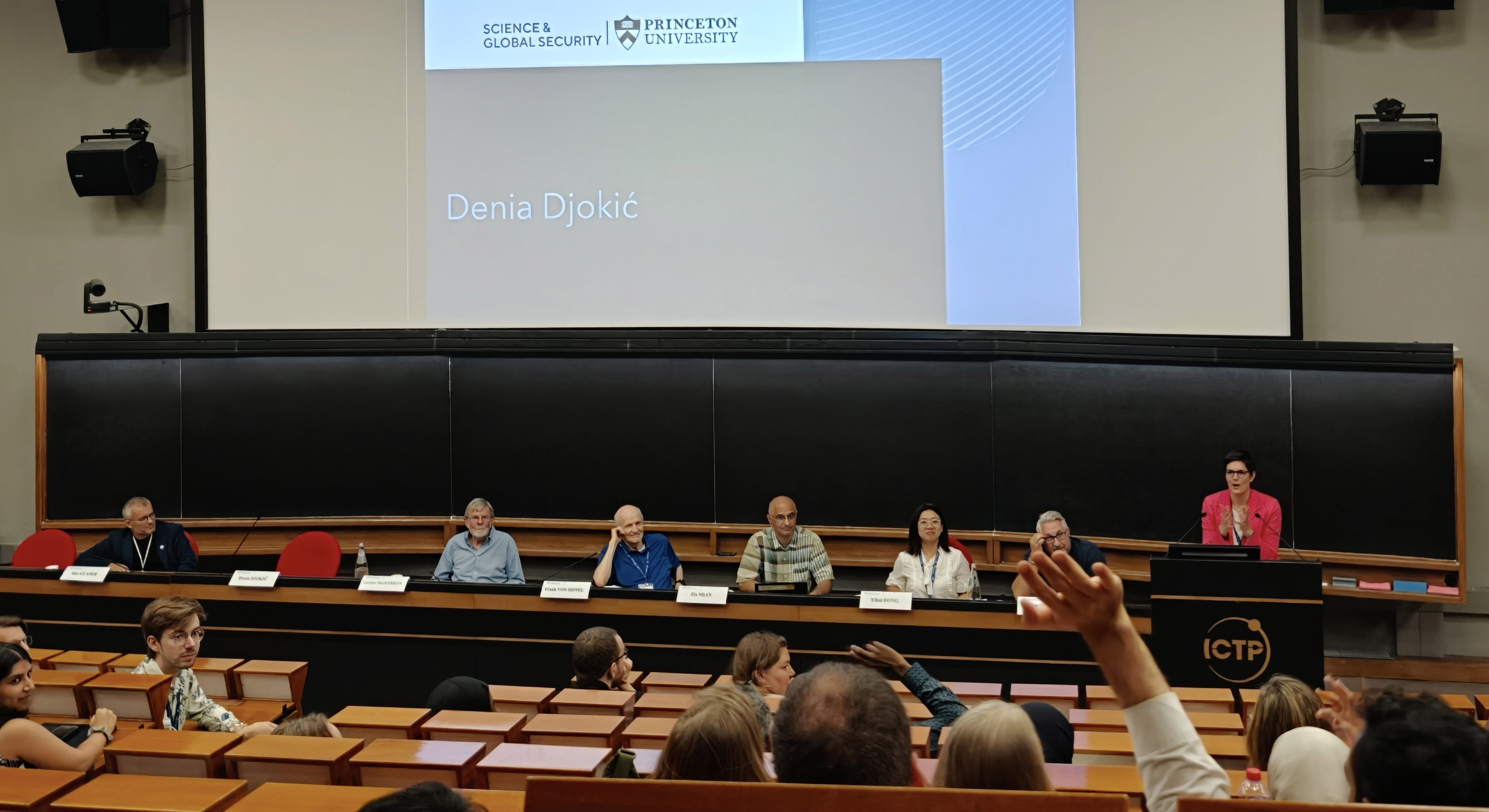
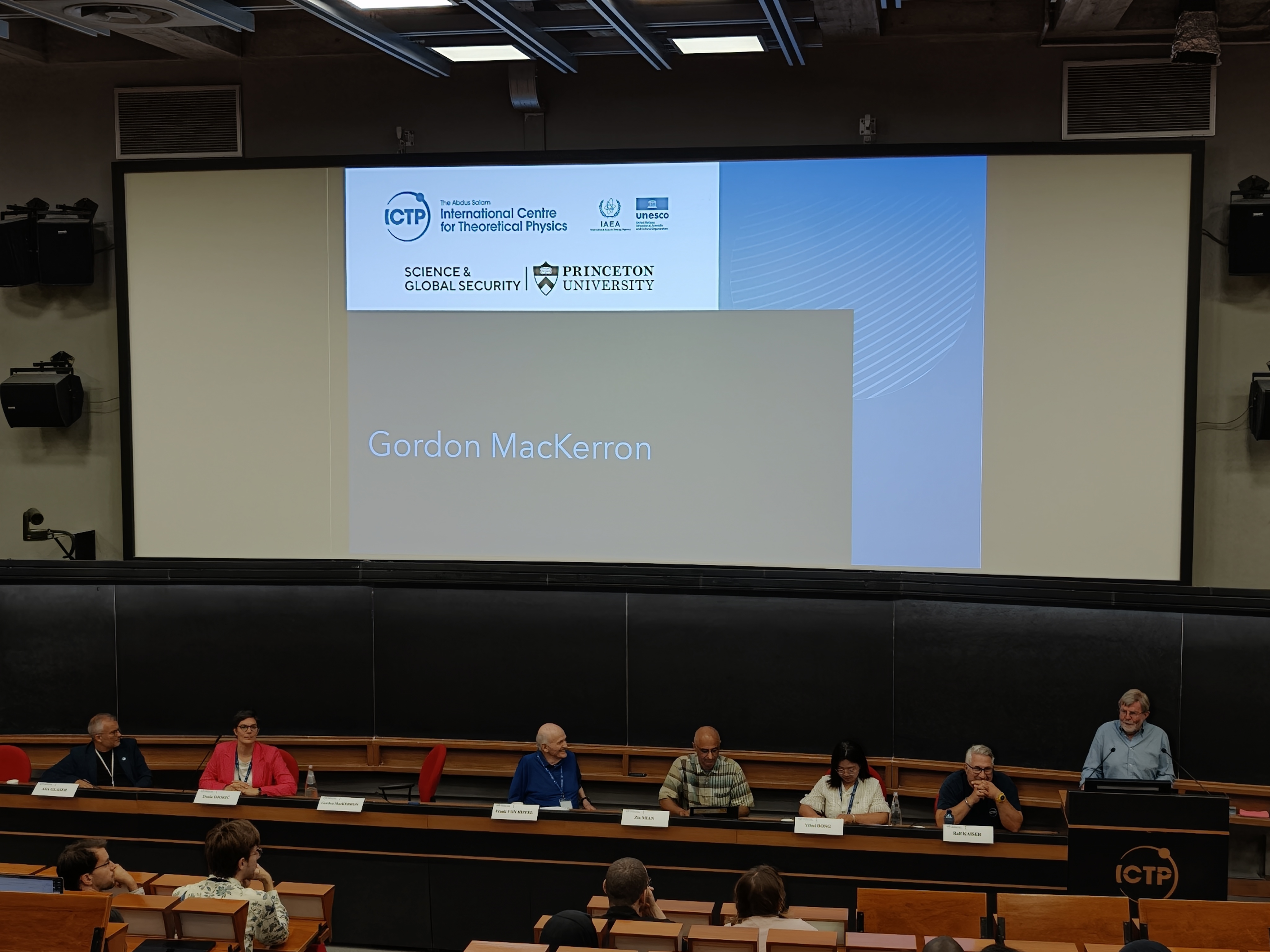
This year’s School also featured a special "Panel on Nuclear Energy, Fissile Materials, Proliferation, and Risks", organized together with participants from the Joint ICTP-IAEA Nuclear Energy Management School, which was being held concurrently with the SGS School at ICTP. It was the first event ever to have brought together two separate Schools at ICTP.
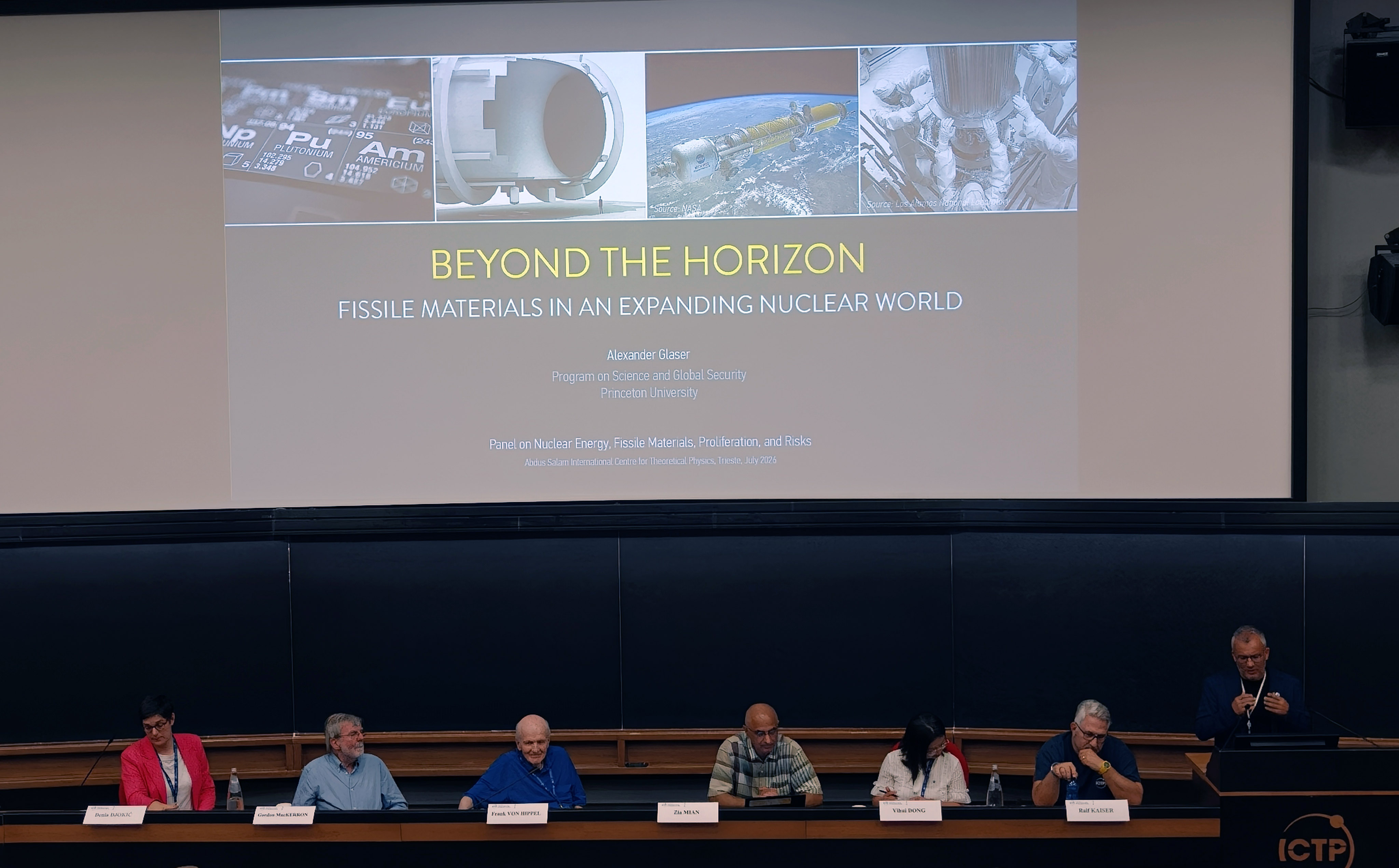
The discussion was co-chaired by Zia Mian from SGS, and featured Ralf Kaiser, an experimental nuclear physicist and Head of Programmes at ICTP and Yihui Dong from the International Atomic Energy Agency in Vienna. The other speakers were Denia Djokić an Assistant Research Scientist in the University of Michigan Department of Nuclear Engineering and Radiological Sciences and a participant in the School, and Gordon MacKerron, Emeritus Professor of Science and Technology Policy and former Director of the Science Policy and Research Unit (SPRU) at the University of Sussex, UK, a visitor at SGS and founding chair of the UK government’s independent Committee on Radioactive Waste Management. It also featured Alex Glaser and Frank von Hippel from SGS.